
Storytelling Series

CHARACTERS OF THE CLOSURES: Human Experiences of Marine Conservation & Management
The stories of this series come from the work I did with the OctoPINTS project . The stories can be read in English, French or Kiswahili on the OctoPINTS webpage. I have written 4 stories based on my fieldwork in Zanzibar in 2019.
The different characters of my stories experience an increasingly common fishery management and conservation intervention, a fishery closure- the one we work with is based on octopus.
Fishery closures or marine protected areas are more and more common as they are relied upon to help us meet the sustainable development goals for 2030 and protect life underwater. But life on land in many areas around the world is very much part of these conservation initiatives, which aim to encourage and assist people who live and rely on the sea to manage and conserve their natural resources. I decided to bring our fieldwork to life a bit to try and represent the richness of the human experience within conservation. Hopefully marine protected areas can become more of an understandable human experience to us who don’t live them.
All the stories that I create are based on the voices, opinions, perspectives and arguments of fieldwork participants, so I am prioritising what they say and how they say it through fictional characters, so my participants remain anonymous.
Find the show on Spotify and listen to any of the 4 stories in english:
Introduction to the Storytelling Series- “CHARACTERS OF THE CLOSURES: Human Experiences of Marine Conservation & Management” The OctoPINTS project would like to introduce you to a storytelling series, where we share a story of a character from a marine fishing village on the Swahili Coast.
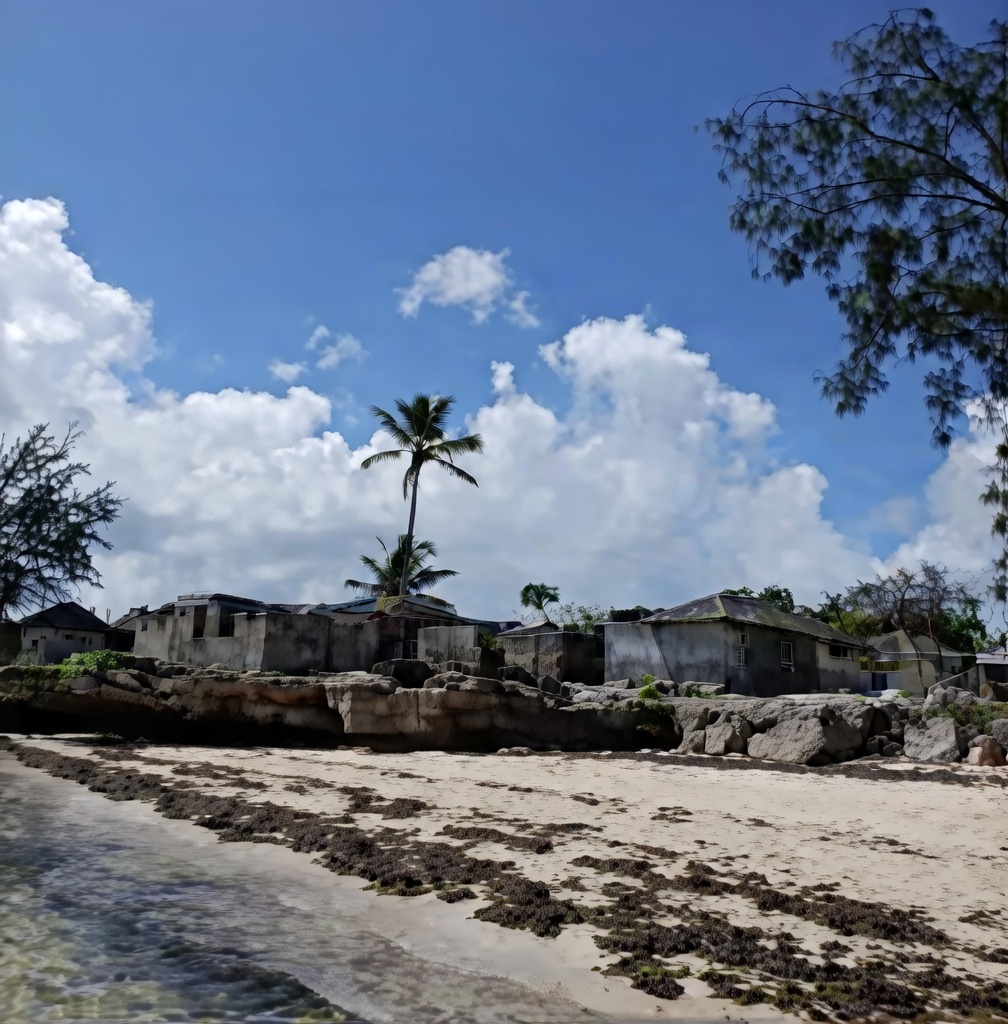
TALES OF CHANGE from Kwale Coast
The stories from this series are based on the FoRel project work in Kenya, specifically interviews and discussions done with about 70, mainly Digo participants in Kwale County Kenya (2020/21). I was not apart of fieldwork due to COVID 19 but worked as the analytical researcher with all the transcripts and qualitative coding.
Basically, I have been combining different participants words on the same or similar topic to create a story. I also have created context or named the characters as they talk or interact in the situation I put them in. Making sure everything is anonymous and not traceable to the real people. In this way we can hear directly from people’s experiences of climate,
environmental and coastal changes in East Africa in a more engaging way than scientific articles or interviews. Also by highlighting a different group of characters or character in each story we can bring more of a diverse understanding of the impacts of different social and ecological changes to light, beyond that of fishermen or farmermen. I also feel these stories prioritise the voices of those that are and will be the most impacted by climate change. Also I’m just super bored of zoom and powerpoint. So I thought this would be more fun, to create stories from the very rich data coming from the FoRel project.
Listen to any of the four stories on spotify:
Basically, I have been combining different participants words on the same or similar topic to create a story. I also have created context or named the characters as they talk or interact in the situation I put them in. Making sure everything is anonymous and not traceable to the real people. In this way we can hear directly from people’s experiences of climate, environmental and coastal changes in East Africa in a more engaging way than scientific articles or interviews. Also by highlighting a different group of characters or character in each story we can bring more of a diverse understanding of the impacts of different social and ecological changes to light, beyond that of fishermen or farmermen. I also feel these stories prioritise the voices of those that are and will be the most impacted by climate change. Also I’m just super bored of zoom and powerpoint. So I thought this would be more fun, to create stories from the very rich data coming from the FoRel project.
Listen to any of the four stories on spotify:
This podcast (you can listen to these stories on spotify too) and storytelling series “Tales of Change from Kwale Coast” is part of communicating the research of the FoRel Project.
PATRON OF THE SEAS
This story series comes from the Patron of the Seas project based in the Philippines. It follows the same logistic as the other storytelling series in that I create composite characters and narratives from interviews/focus groups/photovoice exercises as a means to communicate the experiences of participants.
A Formas funded project starting 2023 which is built on the STEP project and my linked PhD thesis “Catching Values of Small-Scale Fisheries”. This project is about further exploring social relationships in small-scale fishery settings, specifically patron-client relationships and the complex role they play in adaptation processes and the sustainable development of coastal livelihoods long-term.

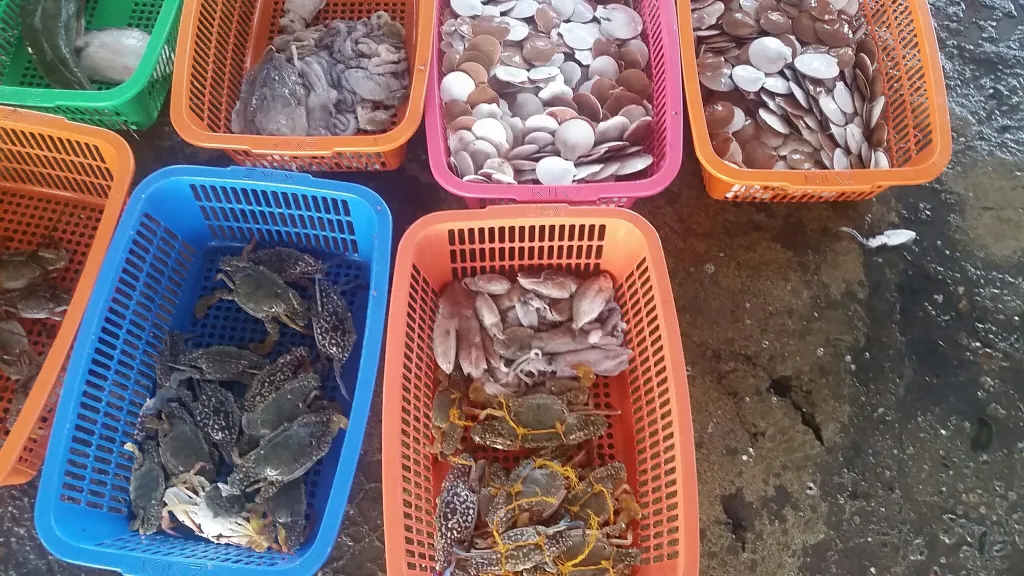
PATRON OF THE SEAS
This story series comes from the Patron of the Seas project based in the Philippines. It follows the same logistic as the other storytelling series in that I create composite characters and narratives from interviews/focus groups/photovoice exercises as a means to communicate the experiences of participants.