
Trip 1- Patron of the Seas scenario planning building
March 2026 was my first time joining the fieldwork for the Patron of the Seas project, and honestly, I didn’t really know what to expect. I was not part of the previous years of research, so everything felt new to me — the interviews, the island communities, and the stories people were willing to share with us.
From the interviews we conducted during the trip, one thing that stayed with me was the feeling of hopelessness that quietly exists in many people’s lives. As we talked to community members, I kept hearing about declining fish catches, rising cost of living, debt, and uncertainties about the future. What struck me most was how casually these struggles were discussed, almost as if they had become a normal part of everyday life. There was a sense that many had simply learned to live within a difficult system because they had no choice.
At the same time, I was amazed by how resilient people in the islands are. Many communities continue to live before sunrise to fish, trade, cook, care for children, and support one another. Life continues despite the challenges.
But during the trip, I also found myself thinking about the word “resilience.” We often praise Filipinos for being resilient, but I realized that resilience should not be romanticized. People should not have to depend solely on endurance while continuing to experience limited access to basic services and opportunities. Behind every story of resilience are people constantly adjusting to structural inequalities and long-standing neglect. Their ability to cope should not distract from the realities they continue to face.
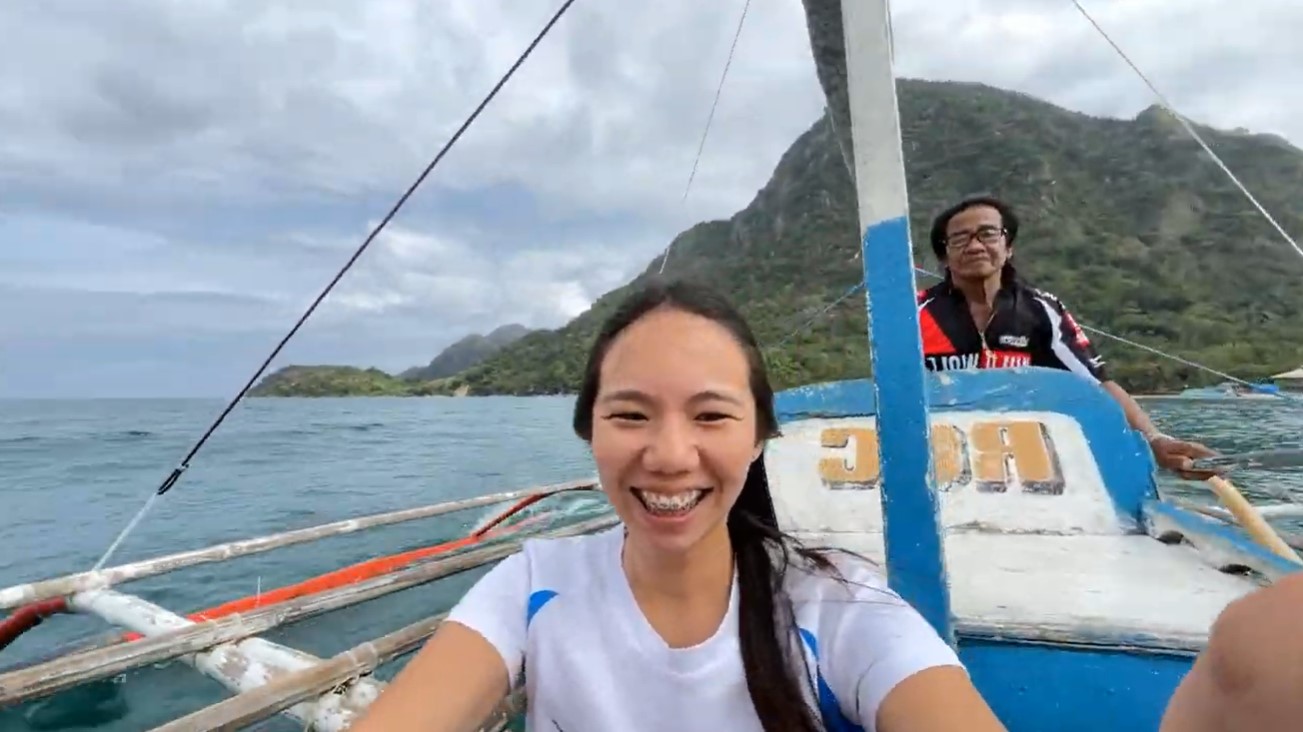
One of my favorite conversations during the trip was with a woman who worked as a fish warden. We had a very insightful conversation about the marine environment and the realities coastal communities are facing. She spoke knowledgeably about environmental changes, declining marine resources, and how these changes directly affect people’s livelihoods and everyday lives. What stood out to me was how knowledgeable and passionate she was about protecting the marine environment. In a time when so many people spoke about uncertainty, it was comforting to meet someone so committed to safeguarding the future of the sea and the communities that depend on it.
During our stay, I also noticed how time in the islands feels both fast and slow at the same time. Days begin early, often before sunrise, and nights end much earlier than what I was used to in the city. Even with busy days filled with interviews and conversations, there were quiet moments where life seemed slower and more grounded.
More than anything, though, are the people we met. Through small conversations and longer interviews, I heard stories of sacrifice, uncertainty, and hope. Many parents spoke about working hard so they could send their children to college, hoping their children will have opportunities beyond the struggles they themselves experienced. Even amidst difficult conditions, there remains a strong desire for a better future for the next generation.
This first trip reminded me that research is not only about gathering data. It is also about listening carefully to people’s realities, reflecting on the systems that shape everyday life, and recognizing the humanity behind every interview and conversation.