
Trip 2 - Scenario Planning workshops with Fisherfolk
After spending two weeks back in the city, we returned to the island for what would be the final fieldwork trip of the project. Unlike my first visit in March, this trip felt different from the moment we arrived. The islands were no longer unfamiliar, and I felt more comfortable speaking with community members and facilitating discussions. It felt less like entering a new environment and more like returning to a place I had slowly begun to understand.
This time, our main activity was presenting and discussing the future scenarios we had developed from the interviews conducted during the previous trip. I was impressed by how actively people participated in the discussions. People openly shared their thoughts, concerns, and hopes for the future of their community. The conversations felt more collaborative, as if we were collectively imagining what life in the islands could be like in the years ahead.
Beyond the workshops and discussions, I found myself becoming more immersed in island life. Knowing this would be our last visit, I wanted to experience as much as I could. I learned how to do tukon, tried rowing a boat and experienced panabo– waiting for fishers to return and haul their nets and receiving a share of the catch. These may seem like small activities, but they gave me a deeper appreciation for how closely daily life is connected to the sea.
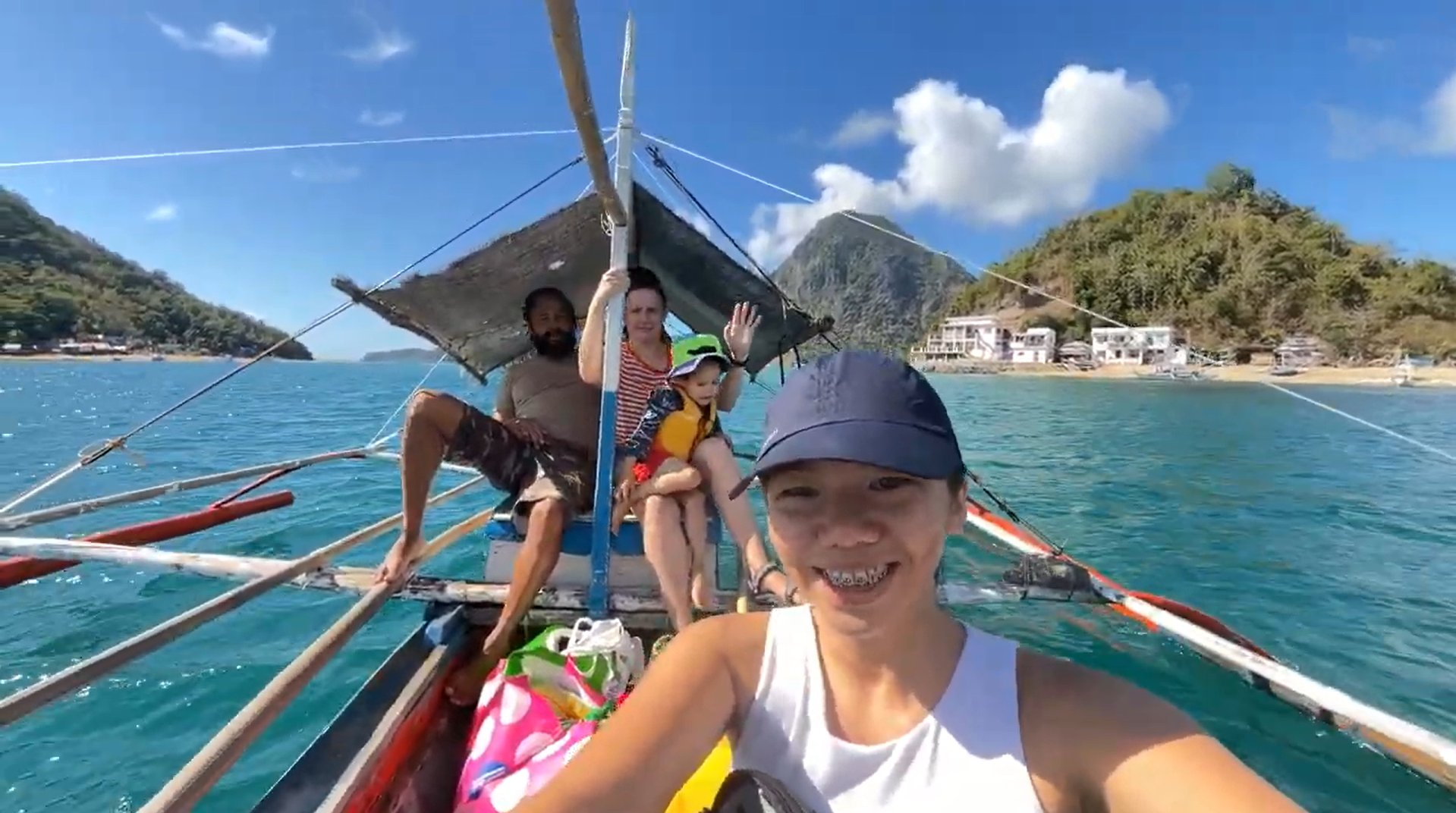
As the days passed, I became more familiar with the rhythm of life on the islands. People wake up early, often before sunrise, to begin their day. One of the sounds I will always associate with the islands is the hum of boat engines in the early morning. In the city, people often wake up to alarm clocks, traffic, or the crowing of roosters. On the islands, the sound of engines cutting through the water signals the start of another day. It means fishers are heading out to sea, passengers are preparing to travel to the mainland, and daily life is already in motion as the sun slowly rises.
Living there, even for a short time, helped me understand the realities that shape people’s decisions. As we discussed future scenarios with participants, I noticed that many conversations eventually returned to the same concern: survival. Families often prioritize immediate needs and ensure they can get through the day, largely because opportunities for stable employment and income are limited. When daily life revolves around earning enough to buy food, paying for transportation, or coping with uncertain fishing incomes it becomes difficult to focus on long-term goals such as environmental sustainability, conservation, or future development. This does not mean they care less about the future; rather the demands of the present leave little room to think beyond immediate necessities. This experience also made me reflect on the important role of the government in addressing these challenges. Government institutions have responsibility to be accountable to the people they serve, especially marginalized communities that often face limited access to opportunities, services, and resources. While individuals and communities work hard to improve their circumstances, meaningful, and lasting change also requires responsive governance, equitable policies, and support systems that help ensure no sector is left behind.
One conversation that stayed with me was with a woman who moved to the island after marrying her husband. She shared stories about adjusting to life there and the challenges that came with it. What surprised me most was learning that she was a college graduate and a licensed teacher. Despite her qualifications, she felt limited by the lack of employment opportunities available on the island. She spoke about feeling stuck at times, caught between the life she once imagined and the realities of the place she now called home. Her story reminded me that island life comes with both advantages and sacrifices. Life can be difficult because opportunities, services, and resources are limited. Yet there is also a slower and steadier pace of life. Even when incomes are low, people find ways to survive, support one another, and make the most of what they have. One idea that I heard repeatedly was that as long as there is bugas (rice), families can usually find a way to get sud-an (viand). Whether by fishing, gathering seafood (panginhas), borrowing from neighbors, or sharing what is available within the community, people are resourceful in ensuring that there is food on the table.
Throughout the trip, I kept thinking about how convenience often comes at a cost. Access to electricity, clean water, transportation, education, healthcare, and other basic services can make everyday life significantly easier, but these things require resources that are not always available. Leaving the island was bittersweet. I knew the project was ending, but I also knew I was leaving with a deeper understanding of the place and the people who had welcomed us into their lives. The island is no longer just research sites– they have become places filled with memories, lessons, and stories that I will carry with me long after the project is over. While this project may not directly or immediately improve their lives, I hope that the knowledge produced from it contributes, even in a small way, to greater awareness of the challenges these communities face. More importantly, I hope that the concerns, aspirations, and realities they shared do not remain confined to research reports but help inform future actions, policies, and discussions.