
Rethinking patron-client relationships in small-scale fisheries.
This project examines whether contemporary “blue finance” and “blue enterprise” initiatives are truly fit for purpose in delivering the equity and sustainability ambitions of the blue economy. Blue finance refers to financial instruments such as blue bonds, blended finance, or targeted loans designed to support ocean-related sustainability goals. Blue enterprises are businesses intended to generate local income while delivering conservation outcomes. While these initiatives are increasingly promoted as solutions to funding gaps in ocean conservation and climate adaptation, there is a growing risk that poorly aligned financial instruments may generate unintended or maladaptive outcomes for climate-vulnerable coastal communities.
Many blue finance mechanisms are designed around assumptions of commercial viability, formalisation, and standardised impact metrics. However, small-scale fisheries and aquaculture systems are highly seasonal, relational, and embedded in informal governance and livelihood networks. Mismatches between financial design logics and local realities may deepen inequalities, shift risks onto marginalised groups, or undermine long-term resilience. Social equity dimensions, including who benefits, who bears risk, and how decisions are made, remain insufficiently integrated into systematic assessment frameworks.
The project focuses on community-based conservation contexts in the Western Indian Ocean, where blue finance initiatives are expanding rapidly and where small-scale fisheries and aquaculture underpin livelihoods and food security. It asks three questions: (1) How are blue finance and enterprise instruments designed, and what assumptions guide them? (2) How are they enacted and experienced by coastal groups in practice? (3) Under what conditions do mismatches between design and lived realities produce maladaptive outcomes, and for whom?
The project combines narrative and document analyses with participatory value chain analysis, arts-based methods, and qualitative systems mapping in Mozambique and Tanzania. An interpretive, systems-oriented approach is employed to connect financial governance narratives with everyday livelihood realities. By comparing regional design logics with local system dynamics, it identifies recurring patterns of alignment and mismatch and develops an empirically grounded typology. The results will contribute to more resilient, equitable, and context-sensitive blue economy transitions capable of advancing marine conservation and climate adaptation goals.
Project aims & questions
The aim of this project is to examine whether and under what conditions contemporary blue finance1,2 and blue enterprise3 instruments are fit for purpose in delivering the equity and sustainability aspirations of the blue economy, with a particular focus on how design assumptions interact with lived coastal livelihood and conservation contexts (see Figure 1 for more details on these instruments in marine conservation).
Amid rising global demand for food, energy, and minerals and growing pressure on terrestrial resources, the ocean economy is undergoing a rapid “blue acceleration” – predominately driven by conventional finance 4,5. However this has led to various unsustainable and destructive practises e.g. distorting subsidies, blue grabbing 5–8. Blue finance and enterprise are increasingly called for as alternative pathways to address investment gaps and support sustainable, inclusive, and nature-positive ocean development 9–12. Though still under-mobilised, these instruments are increasingly viewed as key to closing long-term marine conservation financing gaps in coastal societies 1,6.
Yet despite the huge momentum to channel funding towards a sustainable and inclusive ocean economy, there is a high risk of maladaptive outcomes and unintended consequences for climate-vulnerable coastal populations, due to unclear and understudied mechanisms behind new blue finance and enterprise instruments 9,13–16 . Insufficient studies exist on the actual implementation, practises and opportunities or challenges within financing for sustainable ocean activities- particularly within community-based conservation settings where instruments directly shape local livelihoods and governance 15,17.
This project asks:
- How are blue finance and enterprise instruments designed to deliver sustainability and equity outcomes, and what assumptions and theories of change underpin these interventions?
- How are blue finance and enterprise instruments enacted and experienced in practice by coastal social groups involved in community-based conservation activities (e.g. small-scale fishers, seafood traders, local organization leaders)?
- When and how do mismatches between design intentions and lived practice produce maladaptive outcomes — and for whom?
These questions are particularly salient in small-scale fisheries and aquaculture (SSFA) systems characterised by highly seasonal relational economies, in which traditional financial and enterprise strategies have continuous failed to meet the needs of primary stakeholders 18–20. SSFA offer critical sites of inquiry due to the scale at which they underpin livelihoods and food security globally and their heightened vulnerability to climate and economic change 21. Within these systems, community-based conservation constitutes a key intervention arena in which blue finance and enterprise instruments are implemented, negotiated, and embedded in everyday livelihood and resource-use decisions 16,22.
The project adopts an interpretive 23,24, equity-centred 25–27 research approach to examine how blue finance and enterprise instruments are designed, enacted, and experienced in practice through three interconnected work packages (WPs) within the Western Indian Ocean (WIO) – a region characterised by rapid expansion of blue finance initiatives within community-based conservation settings and where SSFA are central to livelihoods, food security, and coastal governance16,17. WP1 employs qualitative document analysis and narrative analysis of policy strategies, programme designs, theories of change, and evaluation frameworks, complemented by key informant interviews with practitioners and financial actors. Using participatory value chain mapping and arts-based methods, WP2 foregrounds lived coastal experiences to understand intersecting livelihood activities, relationships and blue finance and enterprise practises. WP3 employs qualitative systems mapping combined with embedded participatory scenario exploration to examine how interactions between blue finance and enterprise interventions shape trade-offs, dependencies, and differentiated outcomes. A final synthesis step reconnects local system dynamics to regional blue finance design logics to assess alignment and recurring patterns of mismatch.

State of the art
While the ocean economy is projected to reach a value of $3 trillion by 2030, SDG 14 (Life Below Water) remains the most underfunded of all Sustainable Development Goals 28,29. Total global investment in sustainable ocean projects accounts for less than one percent of the ocean’s economic value and private capital fails to reach the scale or pace required to close the multi-trillion-dollar blue financing gap6,7,11. Recent corporate reporting analyses indicate that ocean-related sustainability efforts remain largely centred on greenhouse gas emissions, with biodiversity and social equity dimensions only beginning to receive attention 4,13. Such trends risk a further destructive “blue acceleration” instead of securing the natural capital that underpins planetary life-support systems and multidimensional well-being which sustains millions of ocean dependent people 5,30.
Blue financial instruments—such as incubation funds, debt-for-nature —aim to mobilise capital for ocean sustainability by supporting blue enterprises, including community-led ventures (e.g. village savings and loan associations), that link income generation with conservation outcomes and reinvest revenue into maintaining healthy marine ecosystems (see Figure 1). The potential of these blue financial initiatives is greatest for lower-income and climate-vulnerable coastal societies; however, ensuring that such instruments benefit coastal groups requires closer scholarly attention, particularly in communities shaped by long-standing processes of globalisation, market integration, and structural marginalisation 4,22,31.
Blue finance and enterprise initiatives face persistent challenges, including mismatches between financial models and the seasonal, risk-prone realities of SSFA 13,17–19. Many initiatives remain short-term and donor-driven, shaped by top-down institutions with limited local engagement 5,32,33. At the same time, systematic attention to who benefits and who bears risk is scarce, with equity dimensions—such as gender, inclusion, and community governance—both insufficiently funded and integrated into assessment frameworks 5,8,13,14. These tensions highlight the need for more critical and grounded examination of how blue finance translates normative commitments into practice.
Project contributions
This project advances understanding of blue finance and enterprise in four key ways. Conceptually, it reframes blue finance not as a neutral financial instrument but as a situated and relational governance process whose effects emerge through interaction with social–ecological systems and community-based conservation arrangements. Empirically, it generates grounded evidence from SSFA contexts in the Western Indian Ocean, revealing how design logics and theories of change translate into differentiated livelihood outcomes and conditions of alignment or mismatch. Methodologically, the project advances the combined use of interpretive, arts-based, and qualitative systems mapping approaches to analyse financial instruments and market-oriented interventions, demonstrating how such methods can surface blind spots, unintended consequences, and locally situated understandings of risk and adaptation. Finally, it embeds equity directly into knowledge production by foregrounding the needs, constraints, and capacities of diverse social groups, thereby contributing to more nuanced debates on fit-for-purpose blue finance and equitable sustainability transitions.
The project is structured into three interconnected work packages (WPs), each directly aligned with one of the three research questions, and designed to build from regional design logics to lived experience and system dynamics. The specific empirical sites within the WIO for WP2 and WP3 are in Mozambique (MZ) and Tanzania (TZ) which provide comparative experiences of finance and enterprise activities at different implementation stages i.e. recently introduced vs 5 years old.
The project examines how dynamics unfold across three interlinked families of blue finance and enterprise instruments that are widely promoted within the conservation arena 18,34,35; 1. SSFA value-chain upgrading initiatives 2. financial inclusion and credit instruments and 3. community-based blue enterprises, e.g. seaweed farming, sustainable tourism – final activities dependent on sites and participants.
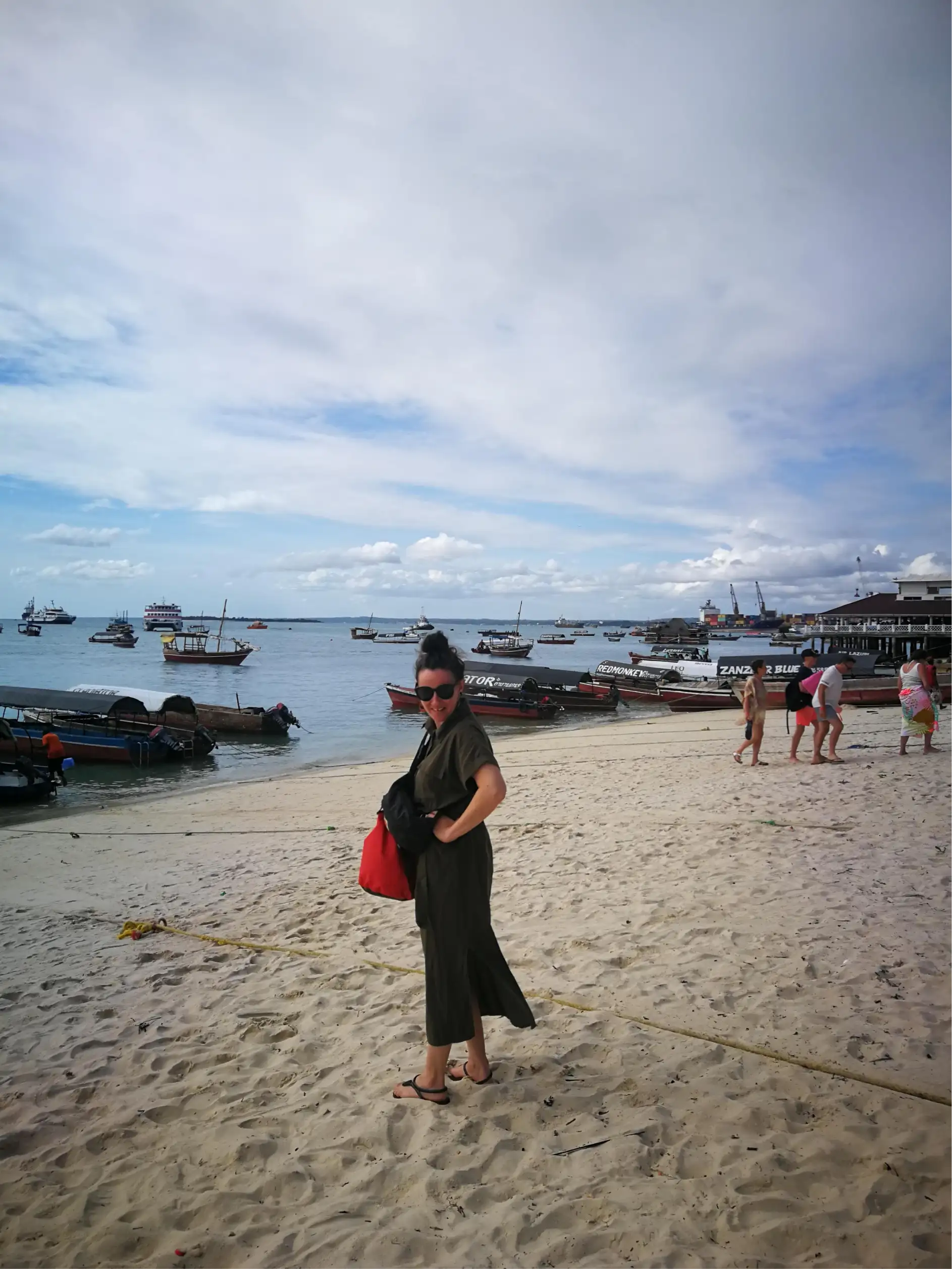
WP1 examines how blue finance and blue enterprise instruments are designed and justified at scale, focusing on the narratives and theories of change that shape contemporary conservation interventions in coastal communities within the WIO. The aim is to surface the assumptions, priorities, and impact logics embedded in blue finance initiatives before they are enacted in practice – an interpretive analysis of design logics and assumptions focused on surfacing meanings which shape actions 23,24. A qualitative narrative and document analysis 36,37 of policy strategies, programme designs, theories of change, and monitoring and evaluation frameworks associated with blue finance and enterprise initiatives in the WIO is employed . This is complemented by key informant interviews (online and in person; up to 50) with practitioners, programme managers, investors, and financial actors involved in the design or funding of these initiatives. These methods are used to unpack the contemporary blue finance and enterprise landscape and establish an analytical baseline for subsequent WPs by clarifying what specific instruments are intended to do, and on what assumptions.
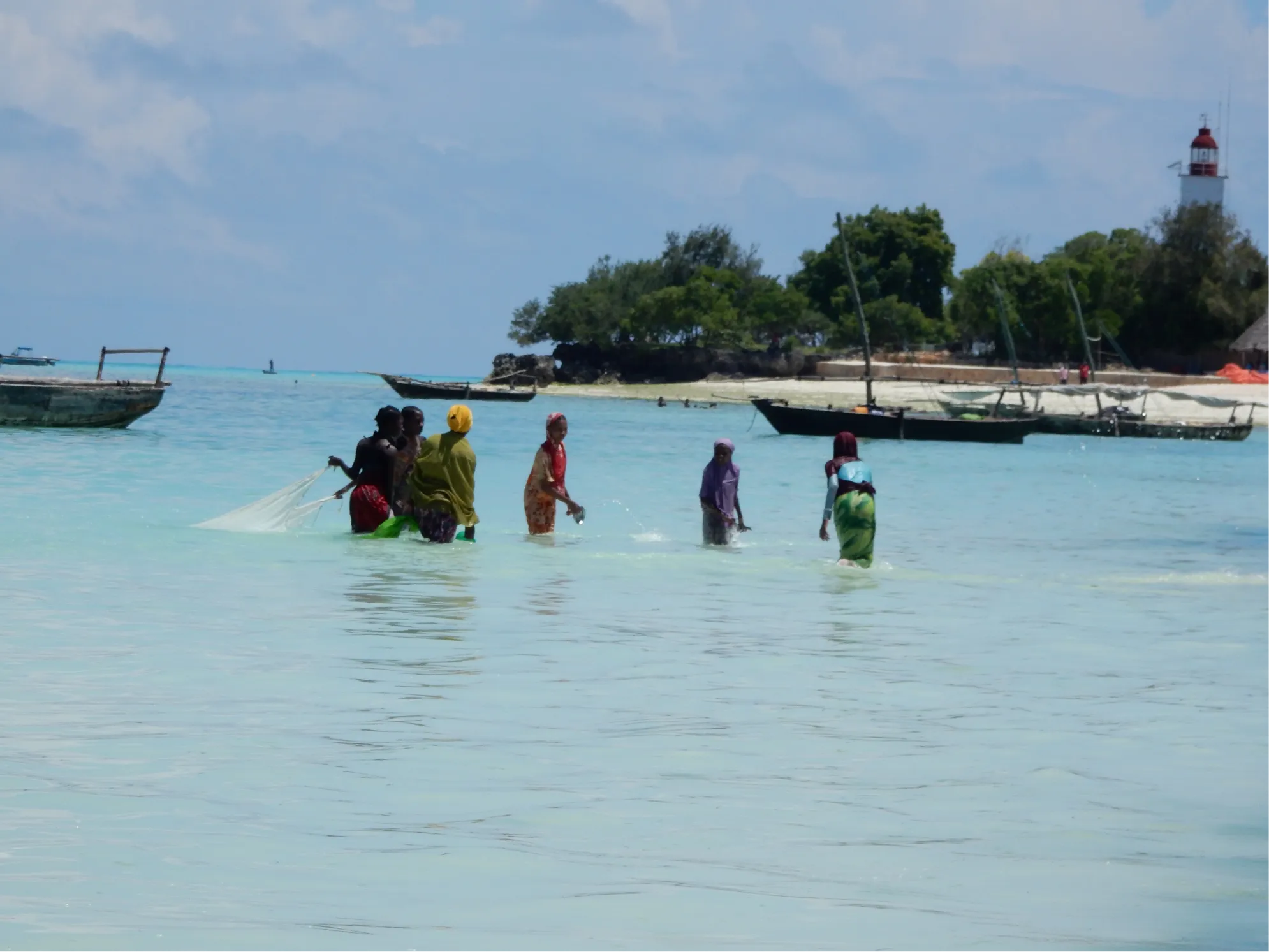
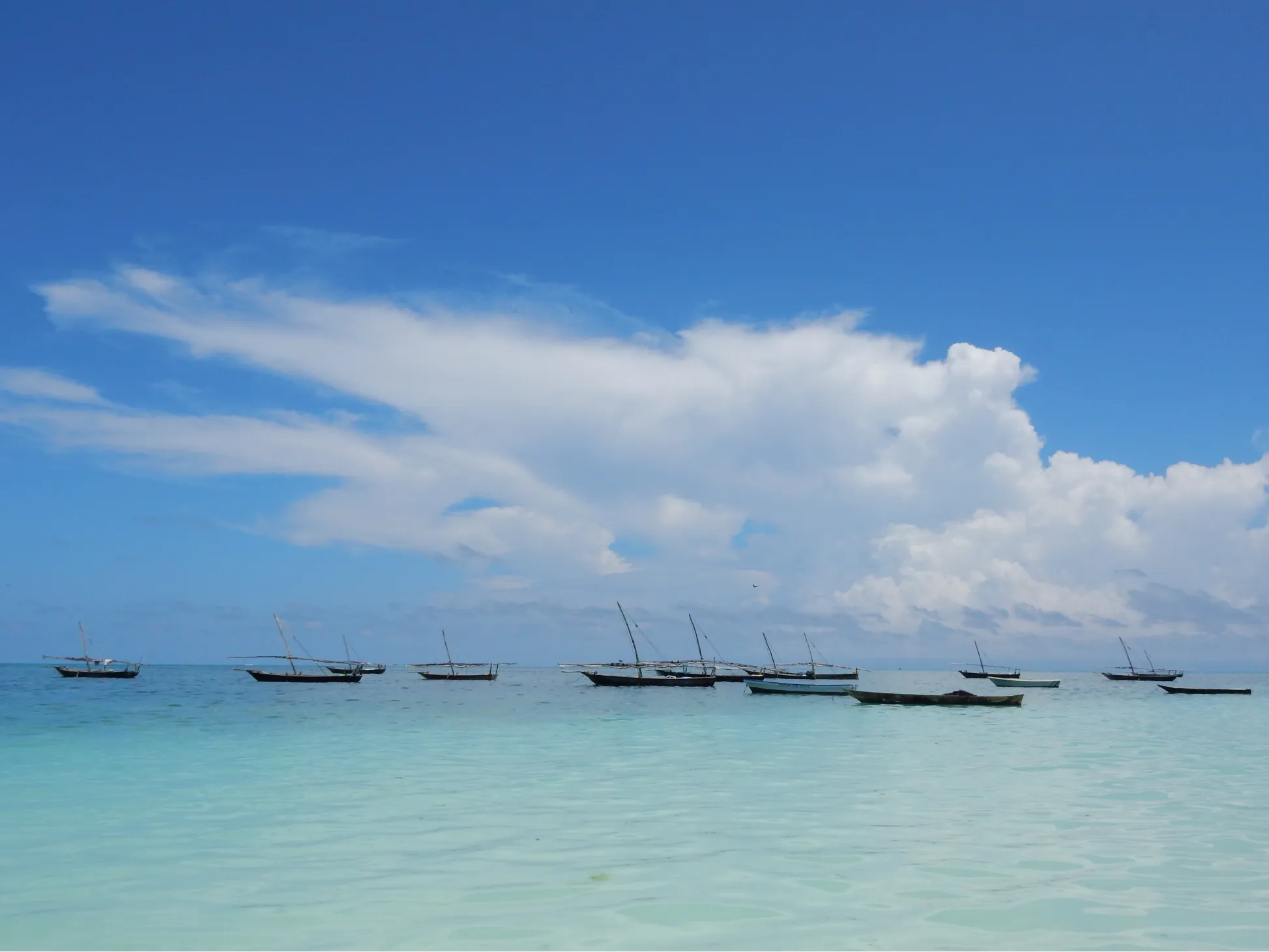
WP2 uses participatory value chain mapping38 to develop grounded understandings of livelihood activities and relationships through which blue finance and enterprise interventions are encountered – focusing on current activities, who does what and where interventions and located. Drawing on relational conceptualisations of value chains39,40 and insights from the diverse economies framework16, which recognises the plurality of formal and informal economic practices shaping coastal livelihoods, small-group interactive mapping sessions are conducted with diverse community members (e.g. fishers, gleaners, traders, processors). These sessions use visual–diagrammatic techniques (e.g. actor–flow diagrams, role cards, thread or string connections) to collaboratively identify key actors, values, connections, and flows within value chains as perceived by those directly involved.
Second, WP2 incorporates arts-based methods to explore lived experiences and meanings associated with these interventions 41,42. Participants engage in photovoice43 and/or the generation of recorded stories, poems, drawings, or other creative forms to document positive, negative, and ambiguous aspects of their engagement with livelihood, market, and conservation-related activities. These materials serve as participant-led entry points into deeper discussion, allowing themes to emerge inductively rather than imposing predefined analytical categories. Visual and narrative outputs are brought into collective reflection and co-analysis sessions, where participants and the researcher jointly interpret emerging patterns. At this stage, equity dimensions (procedural, distributional, recognitional, and contextual)27 are used as an analytical lens to examine how experiences differ across social positions and livelihood roles, and how interventions intersect with existing relationships and practices. The precise arts-based techniques will be determined in collaboration with participants and adapted to contextual conditions, cultural relevance, and practical feasibility in each site (MZ vs TZ).
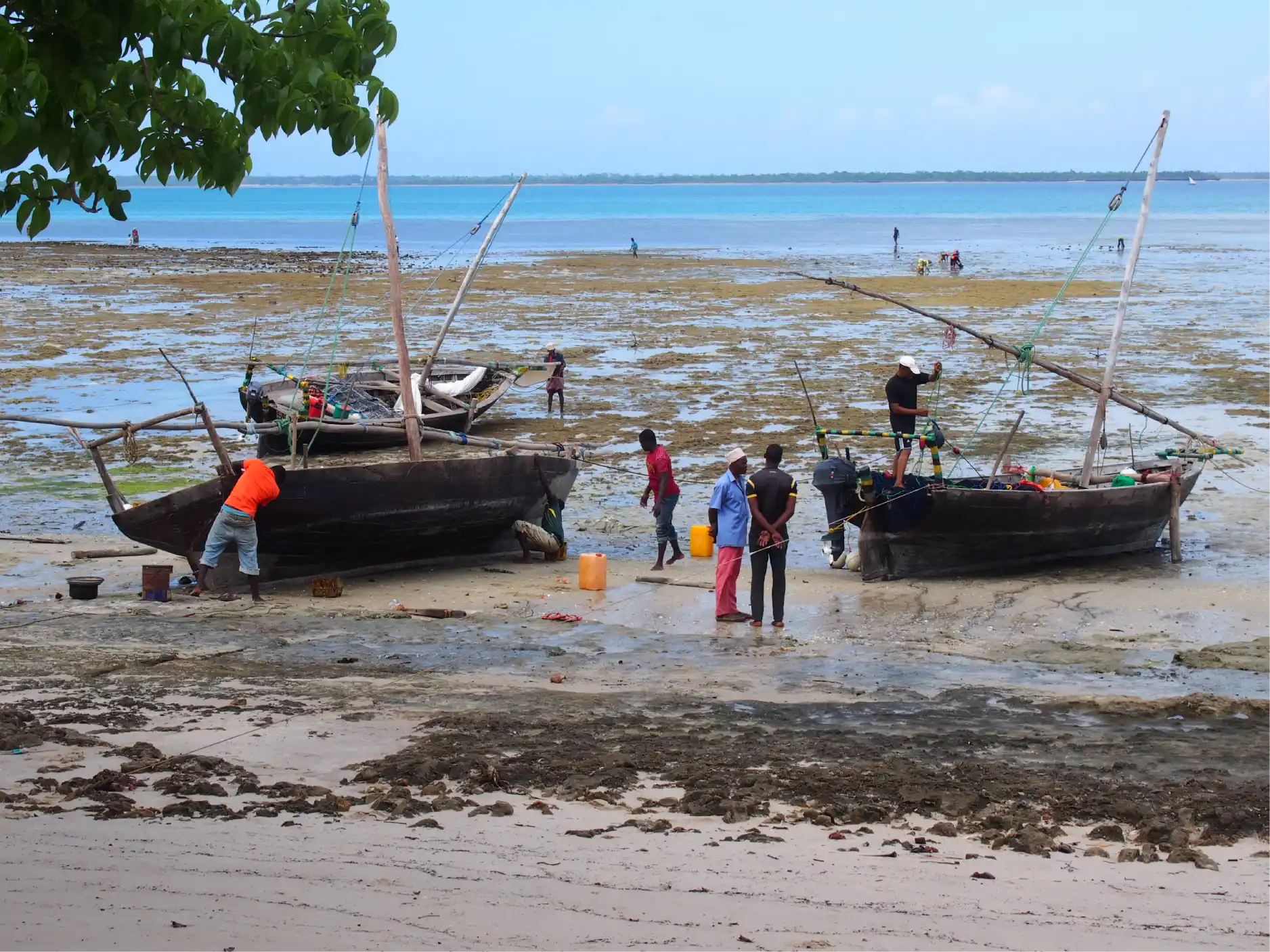
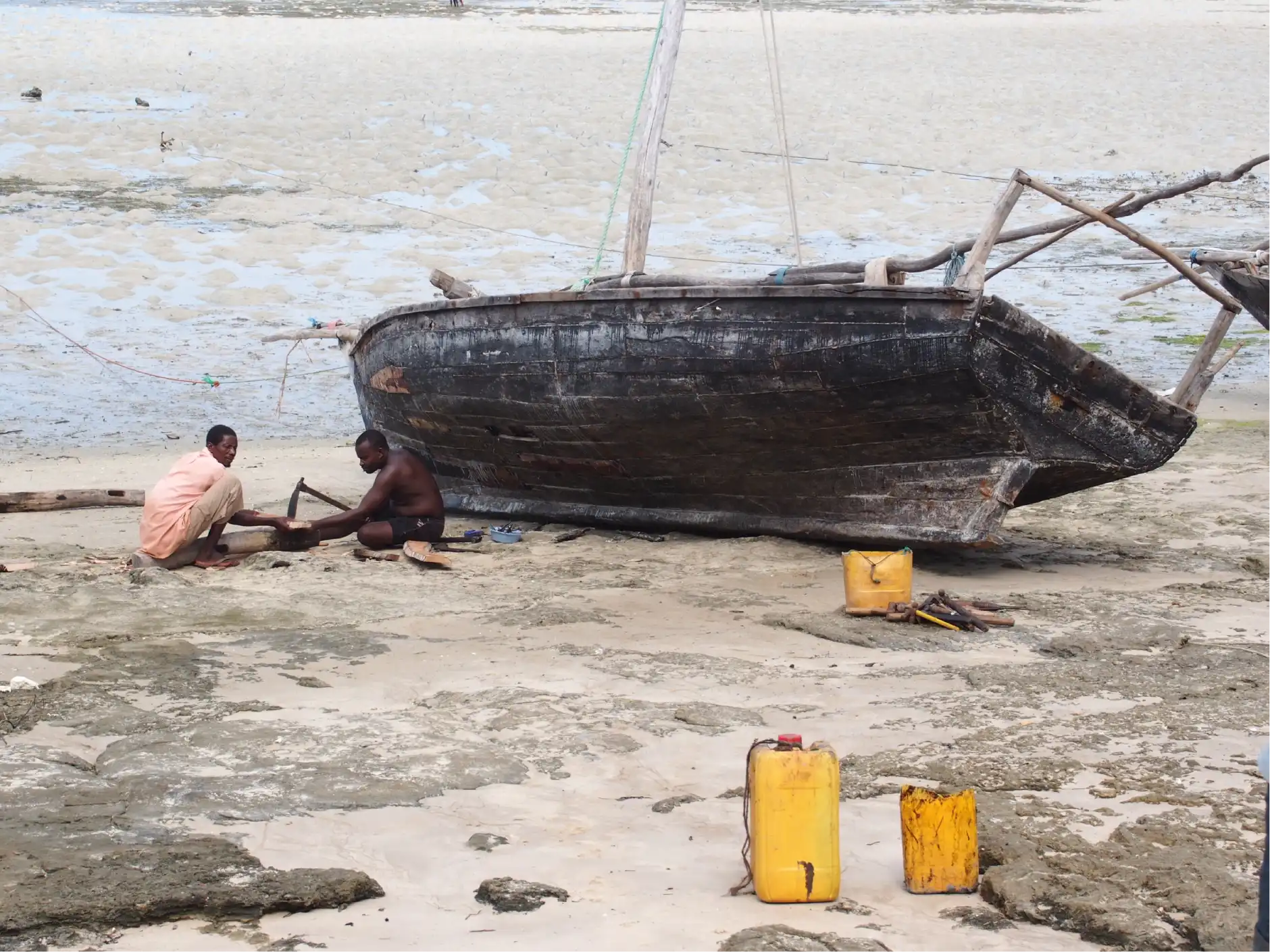
WP3 builds on findings from WP1 and WP2 to examine how different configurations of blue finance and enterprise interventions interact within livelihood systems within or towards community-based conservation. It employs qualitative systems mapping (QSM)44 combined with embedded scenario exploration in a structured participatory workshop process45,46. The design of workshop activities will remain responsive to contextual conditions (can be spread out over time or adapted to smaller/larger groups or individuals) while providing a consistent analytical framework across sites.
QSM will be used to elicit participants’ mental models and collaboratively construct systems maps based on their perceived causal relationships—akin to cognitive mapping. This approach is particularly suited to complex social–ecological problems, as it integrates diverse knowledge and makes implicit feedbacks and dependencies visible for collective analysis46. Scenario exercises are then introduced to explore how alternative trajectories—such as expansion, intensification, restructuring, or withdrawal of specific interventions—may reshape these dynamics. Participants identify and evaluate potential trade-offs and differentiated impacts across social groups and livelihood roles i.e. when does this configuration become problematic or beneficial.
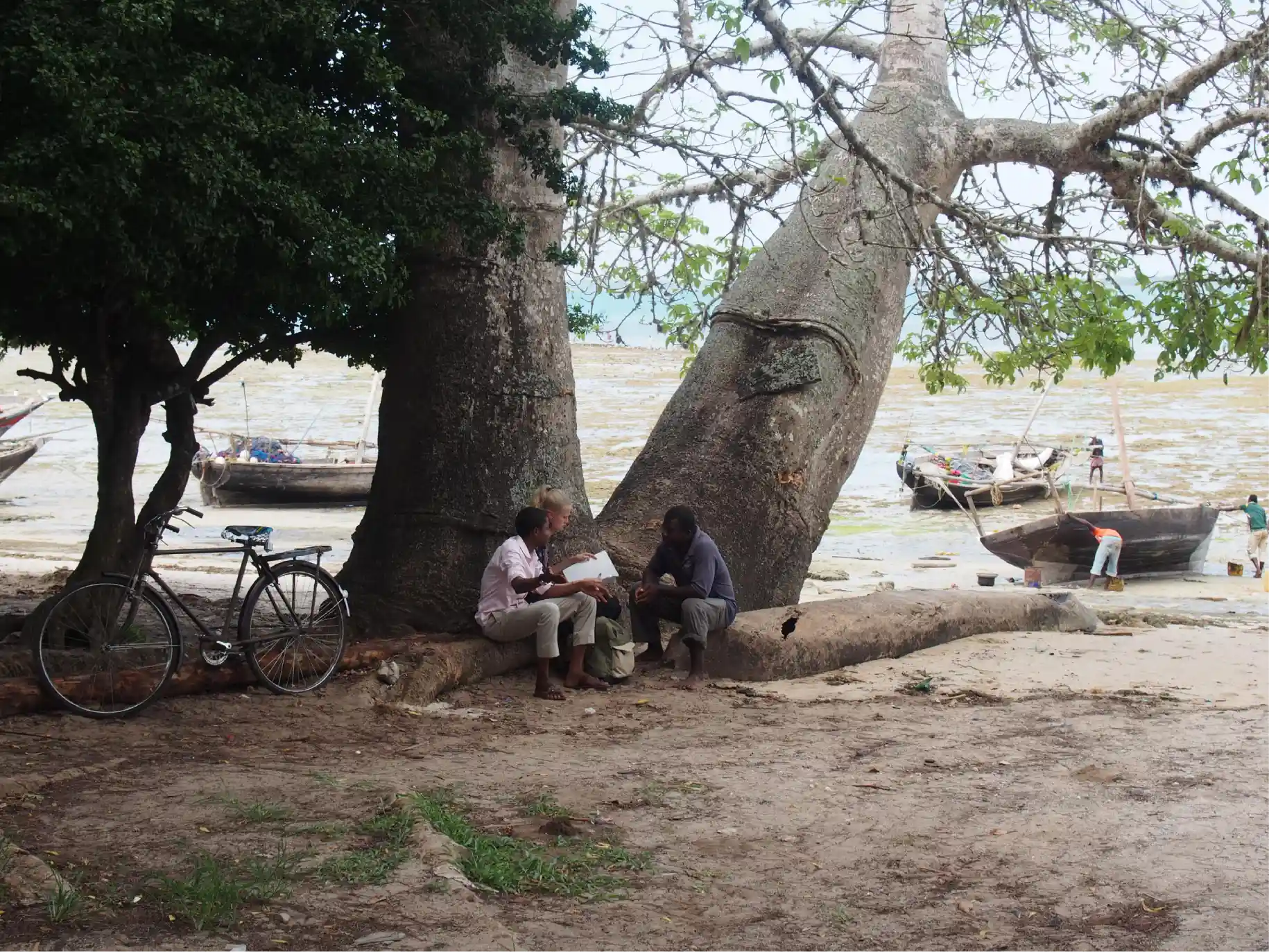
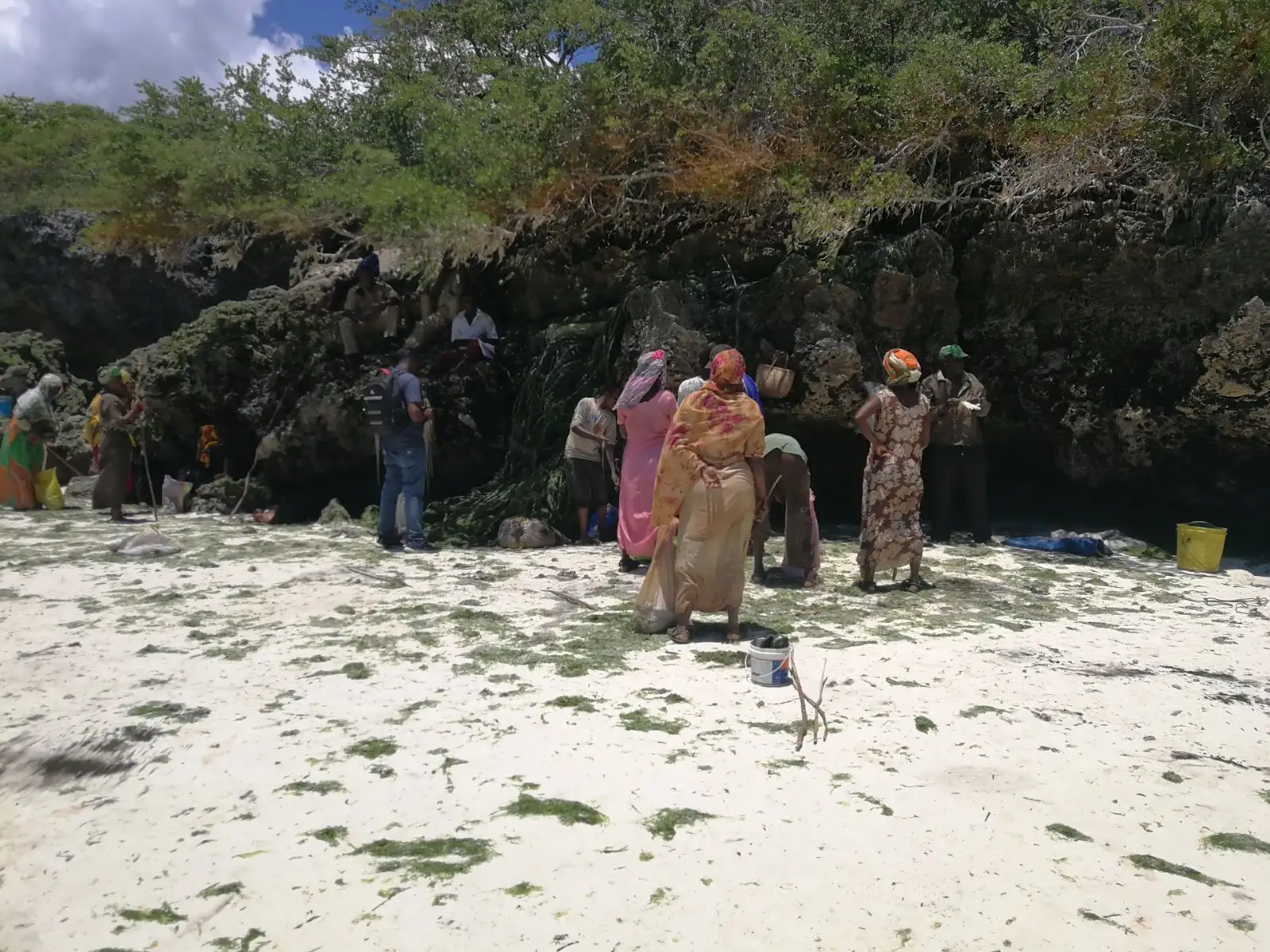
This final step enables an integrative conceptual advancement of when and how misalignments between intervention design (as identified in WP1) and lived practice (as documented in WP2) generate adaptive responses e.g. diversifying income sources in risk-reducing ways, enterprise participation to enhance bargaining power, aligning community based governance activities with savings schemes or contribute to maladaptive outcomes e.g. deepening financial burdens, shifting risk to marginalized actors, and for whom (all from WP3). A cross-scale synthesis 47,48 identifies recurrent mismatch patterns and conditions under which adaptive pathways are more or less likely to emerge within community-based conservation contexts in the WIO. In doing so, the project reconnects local system dynamics to regional policy and finance debates and advances theoretical understanding of how financial governance instruments interact with and/fit with community-based conservation systems under conditions of social–ecological complexity 49.
- Shiiba, N., Wu, H. H., Huang, M. C. & Tanaka, H. How blue financing can sustain ocean conservation and development: A proposed conceptual framework for blue financing mechanism. Marine Policy 139, 104575 (2022).
- UNEP. The Principles-Sustainable Blue Finance. Sustainable blue economy https://www.unepfi.org/blue-finance/the-principles/ (2025).
- Asian Development. Financing the Blue Economy: Investments in Sustainable Blue Small–Medium Enterprises and Projects in Asia and the Pacific. (Asian Development Bank, 2022).
- Jouffray, J.-B., Blasiak, R., Norström, A. V., Österblom, H. & Nyström, M. The Blue Acceleration: The Trajectory of Human Expansion into the Ocean. One Earth 2, 43–54 (2020).
- Das, J. Blue Economy, Blue Growth, Social Equity and Small-scale Fisheries: A Global and National Level Review. Studies in Social Science Research 4, 38 (2023).
- Sumaila, U. R. et al. Financing a sustainable ocean economy. Nat Commun 12, 3259 (2021).
- Österblom, H. et al. Towards Ocean Equity. in The Blue Compendium (eds Lubchenco, J. & Haugan, P. M.) 485–521 (Springer International Publishing, Cham, 2023). doi:10.1007/978-3-031-16277-0_13.
- Arias Schreiber, M., Chuenpagdee, R. & Jentoft, S. Blue Justice and the co-production of hermeneutical resources for small-scale fisheries. Marine Policy 137, 104959 (2022).
- Morgan, P., Huang, M., Voyer, M., Benzaken, D. & Watanabe, A. Blue Economy and Blue Finance: Toward Sustainable Development and Ocean Governance. (Asian Development Bank Institute, 2022). doi:10.56506/HDLZ1912.
- IISD. BEFF Bulletin. https://enb.iisd.org/sites/default/files/2025-06/beff_0.pdf (2025).
- Lewis, F., Saliman, M. & O’Hardt, M. Funding Trends 2025: Tracking the State of Global Ocean Funding. 1216–1219 https://www.science.org/doi/10.1126/science.adv2906 (2025) doi:10.1126/science.adv2906.
- ORRA. The #BackBlue Ocean Finance Commitment. https://oceanriskalliance.org/project/back-blue-ocean-finance-commitment/ (2025).
- Schutter, M. S. et al. Mapping flows of blue economy finance: Ambitious narratives, opaque actions, and social equity risks. One Earth 7, 638–649 (2024).
- Evans, L. S., Buchan, P. M., Fortnam, M., Honig, M. & Heaps, L. Putting coastal communities at the center of a sustainable blue economy: A review of risks, opportunities, and strategies. Front. Polit. Sci. 4, 1032204 (2023).
- Shiiba, N., Wu, H. H., Huang, M. C. & Tanaka, H. How blue financing can sustain ocean conservation and development: A proposed conceptual framework for blue financing mechanism. Marine Policy 139, 104575 (2022).
- Midlen, A. Delivering Blue Economy and Nature Recovery in Coastal Communities—A Diverse Economies Perspective. Sustainability 18, 730 (2026).
- Cooke, A., Spurgeon, J., Harte, C. & Benkenstein, A. Assessing the Foundations for Delivering a Sustainable Blue Economy in the South West Indian Ocean Region. https://wwfafrica.awsassets.panda.org/downloads/assessing-the-foundations-for-delivering-a-sustainable-blue-economy-in-the-south-west.pdf (2023).
- Kleih, U. et al. Financial services for small and medium-scale aquaculture and fisheries producers. Marine Policy 37, 106–114 (2013).
- FAO. FAO’s Blue Growth Initiative. Blue Finance Guidance Notes. https://openknowledge.fao.org/items/75e3b13c-166a-42a4-a21f-6eb83fc3250f (2020).
- Ayilu, R. K., Fabinyi, M. & Barclay, K. Small-scale fisheries in the blue economy: Review of scholarly papers and multilateral documents. Ocean & Coastal Management 216, 105982 (2022).
- FAO, Duke University & WorldFish. Illuminating Hidden Harvests: The Contributions of Small-Scale Fisheries to Sustainable Development – Executive Summary. (FAO; Duke University; WorldFish ;, Rome, 2023). doi:10.4060/cc4576en.
- Antonova, A. S. et al. Centering coastal communities’ diverse economic practices in the blue economy. Geoforum 166, 104410 (2025).
- Schwartz-Shea, P. & Yanow, D. Interpretive Research Design: Concepts and Processes. (Routledge, 2013).
- Scheibelhofer, E. The Interpretive Interview. An Interview Form Centring on Research Participants’ Constructions. International Journal of Qualitative Methods 22, 16094069231168748 (2023).
- Wells, H. B. M. et al. Equity in ecosystem restoration. Restoration Ecology 29, e13385 (2021).
- Issifu, I., Dahmouni, I., Deffor, E. W. & Sumaila, U. R. Diversity, equity, and inclusion in the Blue Economy: Why they matter and how do we achieve them? Front. Polit. Sci. 4, (2023).
- Leach, M. et al. Equity and sustainability in the Anthropocene: a social–ecological systems perspective on their intertwined futures. Global Sustainability 1, e13 (2018).
- OECD. The Ocean Economy in 2030. (OECD, 2016). doi:10.1787/9789264251724-en.
- Anantapadmanabhan, Estoppey, Narayanan, & Quartier. Financing the Blue Economy in Asia. https://tameo.solutions/download/financing-the-blue-economy-in-asia.pdf (2023).
- Cohen, P. J. et al. Securing a Just Space for Small-Scale Fisheries in the Blue Economy. Front. Mar. Sci. 6, (2019).
- Bennett, N. J., Blythe, J., White, C. S. & Campero, C. Blue growth and blue justice: Ten risks and solutions for the ocean economy. Marine Policy 125, 104387 (2021).
- Okafor-Yarwood, I. et al. The Blue Economy–Cultural Livelihood–Ecosystem Conservation Triangle: The African Experience. Front. Mar. Sci. 7, (2020).
- Gustavsson, M., Frangoudes, K., Lindström, L., Álvarez Burgos, M. C. & de la Torre-Castro, M. Gender and Blue Justice in small-scale fisheries governance. Marine Policy 133, 104743 (2021).
- Zelasney, J., Ford, A., Westlund, L. & Ward, A. and R. P. Securing Sustainable Small-Scale Fisheries – Showcasing Applied Practices in Value Chains, Post-Harvest Operations and Trade. (FAO ;, 2020).
- FAO. Blue Finance Guidance Notes: Microfinance for Small-Scale Fisheries. (2020).
- Bowen, G. Document Analysis as a Qualitative Research Method. Qualitative Research Journal 9, 27–40 (2009).
- Kim, J.-H. Narrative data analysis and interpretation: Flirting with data. Understanding Narrative Inquiry, edited by J Kim 185–224 (2016).
- Stein, C. & Barron, J. Mapping Actors along Value Chains: Integrating Visual Network Research and Participatory Statistics into Value Chain Analysis. vol. WLE Research for Development (R4D) (International Water Management Institute (IWMI), Colombo, 2017).
- Fabinyi, M., Dressler, W. H. & Pido, M. D. Moving beyond financial value in seafood commodity chains. Marine Policy 94, 89–92 (2018).
- Pradhan, S., Nayak, P. & Armitage, D. A social-ecological systems perspective on dried fish value chains. Current Research in Environmental Sustainability 4, 100128 (2022).
- Strand, M. et al. Reflecting on arts-based participatory research: considerations for more equitable transdisciplinary collaborations. Ecology and Society 29, (2024).
- Rivera Lopez, F., Wickson, F. & Hausner, V. H. Finding CreativeVoice: Applying Arts-Based Research in the Context of Biodiversity Conservation. Sustainability 10, 1778 (2018).
- Masterson, V. A., Mahajan, S. L. & Tengö, M. Photovoice for mobilizing insights on human well-being in complex social-ecological systems: case studies from Kenya and South Africa. E&S 23, art13 (2018).
- Hanger-Kopp, S., Lemke, L. K.-G. & Beier, J. What qualitative systems mapping is and what it could be: integrating and visualizing diverse knowledge of complex problems. Sustain Sci 19, 1065–1078 (2024).
- Pereira, L., Hichert, T., Hamann, M., Preiser, R. & Biggs, R. Ecology and Society: Using futures methods to create transformative spaces: visions of a good Anthropocene in southern Africa. Ecology and Society 23, (2018).
- Galafassi, D. et al. Learning about social-ecological trade-offs. Ecology and Society 22, (2017).
- Gonçalves, L. R., Oliveira, M. & Turra, A. Assessing the Complexity of Social-Ecological Systems: Taking Stock of the Cross-Scale Dependence. Sustainability 12, 6236 (2020).
- Ostrom, E. A general framework for analyzing sustainability of social-ecological systems. Science 325, 419–422 (2009).
- Epstein, G. et al. Institutional fit and the sustainability of social–ecological systems. Current Opinion in Environmental Sustainability 14, 34–40 (2015).
The ocean is increasingly seen as the next frontier for sustainable development. Governments, investors, and conservation organisations are promoting “blue finance” – special loans, investment funds, and conservation finance schemes – as a way to protect marine ecosystems while supporting economic growth. At the same time, “blue enterprises”, such as sustainable fishing businesses, seaweed farming, and community-based tourism, are encouraged as ways for coastal communities to earn income while caring for their marine environments.
These initiatives are often presented as win–win solutions: protect nature and reduce poverty at the same time. However, we still know very little about how they actually work in practice. Financial tools are often designed for formal businesses with stable revenues and predictable growth. In contrast, small-scale fisheries and aquaculture – which feed and employ millions of people – are seasonal, uncertain, and deeply embedded in local social relationships. When financial models do not match these realities, they may unintentionally increase debt, shift risks onto vulnerable groups, or reinforce existing inequalities.
This project asks a simple but important question: Are blue finance and blue enterprise initiatives truly fit for purpose in supporting both marine conservation and coastal wellbeing?
The research focuses on community-based conservation areas in Mozambique and Tanzania in the Western Indian Ocean, where blue economy investments are rapidly expanding. These regions depend heavily on small-scale fisheries and aquaculture for food security and livelihoods, making them critical places to understand how new financial models shape everyday life.
The project investigates three key issues:
- How are blue finance and enterprise initiatives designed, and what assumptions do they make about coastal communities?
- How do fishers, traders, and community leaders experience and use these initiatives in practice?
- Under what conditions do these interventions support resilience and fairness – and when do they create new risks?
To answer these questions, I will combine policy analysis with participatory research in coastal communities. This includes mapping how local value chains function, working with community members through visual and storytelling methods, and using collaborative systems mapping to explore how financial interventions interact with livelihoods over time. By bringing together perspectives from policymakers, investors, and coastal residents, the project will identify recurring patterns of alignment and mismatch between financial design and lived realities.
The results will provide practical insights for improving blue finance so that it genuinely supports biodiversity protection, climate adaptation, and equitable development. Rather than assuming that financial innovation automatically leads to sustainability, the project grounds ocean finance in the everyday experiences of the people most directly affected.
For me as an early-career researcher, this project represents a decisive next step. It builds on my previous work on small-scale fisheries and marine conservation while expanding into the rapidly growing field of sustainable ocean finance. By leading an international collaboration and developing new participatory and systems-based approaches, I will strengthen my independent research profile and establish a long-term research agenda on equitable and sustainable blue economy transitions.
Figure 1:
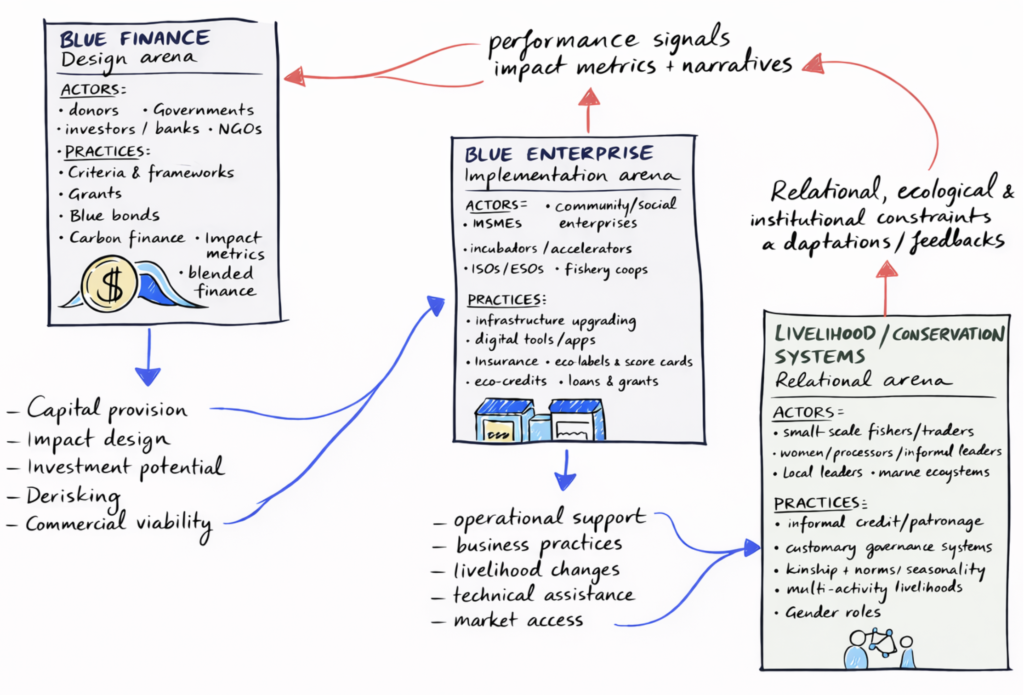
Conceptualises the relationship between blue finance and blue enterprise as distinct but interconnected arenas. Blue finance refers to financial instruments and investment logics designed to support ocean-related sustainability and development objectives. Blue enterprise refers to market-facing livelihood activities framed as sustainable within the blue economy agenda. These enterprises are embedded within/interacting with relational livelihood and conservation systems, particularly in small-scale fisheries and aquaculture contexts. This sketch shows key actors and practises in each arena – how they are intended to contribute/provide for each arena in blue and then potential feedbacks from the activities in each arena in red. These interactions between the arenas in blue and red are a key focus of this study. MSMEs= Micro, Small, and Medium Enterprises. ISOs/ESOs= Implementation and Entrepreneur Support Organizations. Coops= cooperatives