Beyond the “Middlemen” in seafood trade
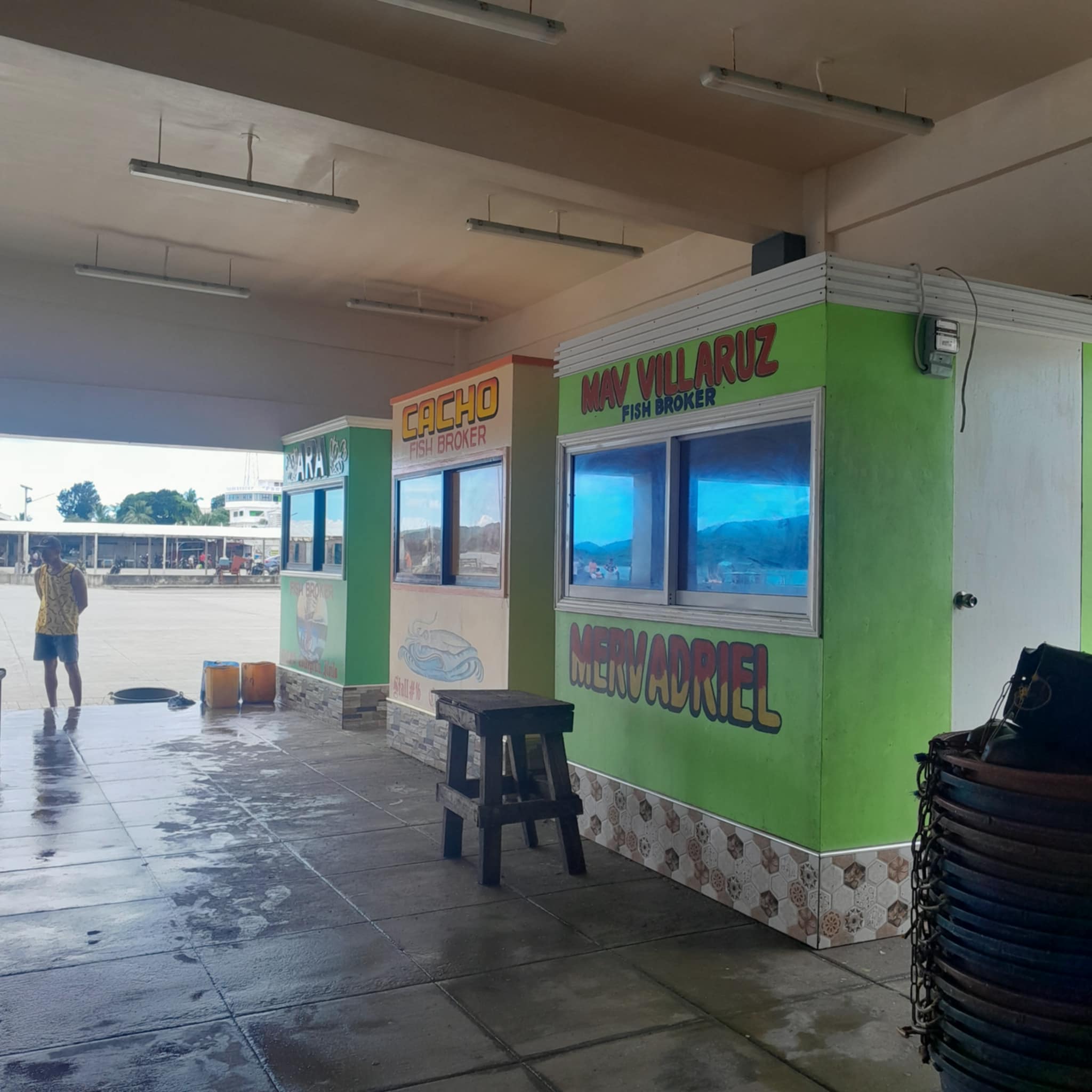
I didn’t expect to be doing this — buying, selling, managing a stand. I studied hospitality management, actually. But it was the only course my father could afford at the time. Even when I was in school, I’d tag along with him to the port on weekends. Ako gid na ang ginadala ni Tatay (I was the one my father always brought). He was a broker, and when he passed, I came home from the Middle East and just… sat in his place. The suki (fishers) were already there, waiting. Nagpungko na lang ko kag amo na (I just sat down and that was it).
So I didn’t build the business from scratch — I inherited it. But I learned the rest on my own. I didn’t know how to sell fish directly at first. I knew how to keep records, list totals — but pricing, talking, negotiating? I had to learn. Slowly. I would ask my suki, “Amo ni ang ayo ko sa isda niyo, okay lang?” (This is the price I’m asking for your fish — is that okay?) I wanted to be honest. I still do.
Now I run everything myself. Ako gid ya (It’s really me). I decide who to finance, how much, when to stop. I don’t consult my partner. Ako lang gid ya ga decision. He helps me at the stand, but the decisions — they’re mine. I choose my helpers too — mostly people I’ve known since childhood, batchmates. One or two are steady, others come and go.
I don’t have a suki buyer. I sell to whoever offers a good price — sometimes to the panting (retailers who buy in smaller quantities and re-sell in local markets/Barangays/neighbourhoods), sometimes I load to the roro (Roll-on-roll-off Ferry) for Manila. But with fishers, I do have suki. Most of them are family. Others were my father’s before they became mine. They stayed with me — even when other brokers offered better terms.
I finance mostly for boat needs — fuel, ice, provisions. Of course I finance because If know the person and they are good, that’s it amo na. If its for food, for bugas (raw rice) I could not really say no because I know it is really a need. But also for emergencies, gahatag ko ah (I would really give), if for the hospitalization of the children, for the doctor, I would give. I don’t cover household expenses anymore. Sa sakayan lang gid ya. (Only for the boat.) Before I was free now I just control, I’d even lend for their personal things before, but I realized they were using my money to pay other debts. So now, I set limits. Kung pagustuhan ko sila ya, ako gid ya ang malugi. (If I let them do what they want, I’ll be the one who loses.)
But it’s not always easy. Sometimes they disappear without a word. I had a cousin once — no cash utang but just ice deductions (ice was provided for being at sea) — and suddenly, his crew was delivering to another komisyonan (broker). He never said why. I didn’t ask. Wala man ko ya negative feeling nga “Ay, ngaa amo to siya.” Ginpabay-an ko lang. (I had no hard feelings like, “Why did he do that?” I just let it go.) A few months later, he came back. I accepted him again. Sapakay lang gihapon kami. (We just greeted each other like nothing happened). That’s how I am. If there’s no utang, they’re free to go. But if they do owe me, I expect them to settle first before delivering elsewhere. Of course, some suki fishers take advantage. They say, “You let him borrow, why not me?” That’s the risk of doing business with relatives. But I choose who gets what. Ginapili ko lang gid ang tagaan ko nga dalagko. (I carefully choose who I give large amounts to.) Even with family, if I know they can’t pay, I defend myself.
Still, I don’t mind helping. If I am short with cash for my suki fishers I borrow from my siblings or even from the Bombay lender (also called 5-6 or Turko money lenders/loan sharks “informal” financers who come around the Port to offer loans with high interest). I might have money, but I’d rather keep some in reserve — let’s say I borrow ₱10,000 from Bombay, I only pay ₱100 a day. Mas magamit pa namon ang kwarta mung. (We can still make use of the money in the meantime.) But if I need a big amount — ₱20,000 or more — I message my siblings. It’s utang, not a gift. Bayaran ko gid. (I really repay them.)
And when they (the fishers) pay, it’s never all at once. Amat amat lang na. (It’s gradual.) ₱500 here, ₱1,000 there. I don’t rush them — but I don’t forget either.
A good suki for me is someone who pays without being asked. Insigida gapabuhin. (Immediately deducts from their balance.) If they earn well, they offer. One said, “Buhini da anay dos mil.” (Deduct ₱2,000 right away.) That’s the kind of suki I keep.
And I give back too. Every December, I go around the Sitios bringing something. Sometimes it’s drinks for their painom (fiesta gatherings). Ginalibot ko gid na sila. (I really make the rounds.) They expect me to show up — and I do. Not because it’s good for business, but because pamilya man sila (they’re family too). And that bond matters. Even if they are not related, they give me income, and I give back, it’s a give and take relationship sukianay.
If a new fisher comes asking for financing, I don’t say yes right away. I ask around — especially the pakyaw, the carriers. They know who owes who, who switched stands, who left unpaid utang behind. They know more than brokers sometimes.
I trust people, but I verify. That’s the kind of broker I am, strict when I need to be. Not just running a stand — holding the relationships Ako gid ya.
 Liz Drury O'Neill
Leave a comment