
Research Diaries
Post 4: 13th March 2024- A Window into shared culture?
Iloilo City, Western Visayas, Philippines
It’s been a while!
We are back in the city now post 60 interviews, Jelai and I both nearly lost our voices and were fairly wrecked after those 3.5 weeks! We took a day off to prepare and celebrate Fién’s first birthday and Ferdia’s 4th birthday! What lucky boys to have their birthday parties here, spearheaded by the ladies of Sitio Pasil, the kitchen was a beehive! I was totally useless 😂 In true Pinoy style ( I was told) we had bihon, spaghetti, maha blanca and birthday cakes from Bread&Butter. It was really emotional for me to see all these people come together to celebrate my boys, that didn’t even know me 3 weeks before nor even speak the same language ❤️ #ilonggosforever
The kick-off of the interpretive interviews were a bit rocky, as expected. You wouldn’t think it, but it’s really really hard to get people to just be ok sitting with silence, leaving space for the interviewee to take, not filling the gaps, just simply sitting, being. I’m referring to interviewers with years and years of experience but from a positivist or empiricist perspective or attitude to the data. The same happened in Zanzibar with my research assistants there, it’s so difficult to actually have people actively listen to how this type of interview is different, and the same probably goes for my listening skills when Simon West was explaining the techniques to us 😂 For the first five or six interviews I was bubbling with frustration, I wanted much less questions from us and much more time for the interviewee to think. No they don’t need help, it’s not a question that will be graded, it’s a question that requires space and time to formulate in their OWN words. It seems simple, people say they understand but indeed once in practice the speciality of the interpretive attitude becomes obvious, much skill is needed to slowly peel off a previous way of doing research. And I also speak for myself, I’m not having a go at all the research assistants I’ve worked with recently -yous are great, mindset changes are hard! The interpretive interview is surely not a conversation, if it was you would lose friends. It’s about being that really annoying researcher picking apart each social concept causally translated back to you as if we all know what it means. Do we? Do we really know what “trust” means within this certain fishery context for this Barangay Buyer we are talking to? Why not let them explain it for their own actions? We don’t live here and even if we speak the same language that doesn’t mean we know either,….. in fact I think its quite useful, like Simon said, to be the stupid foreigner because then you can question everything, like “Oh what do you mean by x or y?”” Sorry I’m just a silly Irish lady who doesn’t understand the trade dynamics here….”(not true as my PhD was based on them 😂). I can imagine, and I see with my research assistant, that speaking the same language leads to a lot of hidden assumptions over what you mean and what things translate to in english. However posing those super weird questions that you wouldn’t do in a normal conversation, especially if you’re both Ilonggos, brings out some deeper meanings that make people’s actions and behaviour seem a littler clearer. Those meanings only really come to light when you ask things like “Why is that joke funny?”😛 . But they are not just wishy washy qualitative descriptions of feelings, meanings shape why people do what they do and help us, not in suki relationships (patron-client relationship), understand intent and actions. Meanings are part and parcel of the fishery system along with stocks, marine protected areas, closed seasons and everything else that get Fishery Managers and Policy Makers going. Meanings, I’m seeing, are like little windows into people’s lived and shared experiences and they actually impact reality. The more and more we venture down this current interpretive path, with the fishers and traders of Tambaliza the more sense it makes. Why? Well I feel the assumptions held by those in positions of power at the municipal and provincial level about the suki system need questioning. Maybe things have changed a bit with a new administration but previous experiences showed me their idea of patronage was more black and white, it was largely disadvantageous to fishers and there wasn’t room for these types of relationships in their management plans. But who better to question such beliefs than the people directly impacted by the decisions that will be made to “sustainably manage” their fishery systems. I put sustainable in quotations because I always feel a bit cringy writing it, this concept is loosely thrown around so unbelievably much that I get embarrassed to be seen with it 😂 Like a drunk parent or something. Anyway, sidetrack aside, I feel one way to question leaders assumptions is to present them data which prioritises the meanings and understandings sukis (both sellers and buyers) have for their own relationships! Again this seems obvious but Fisheries Sciences and Governance could really do with a wee injection of this approach, especially in the Visayan Sea where things aren’t looking “better” for many fish nor many people (i’m sure for some its better e.g. the company starting to “explorative” mining on Pan de Azucar, the beautiful sugarloaf shaped island where we have been based).
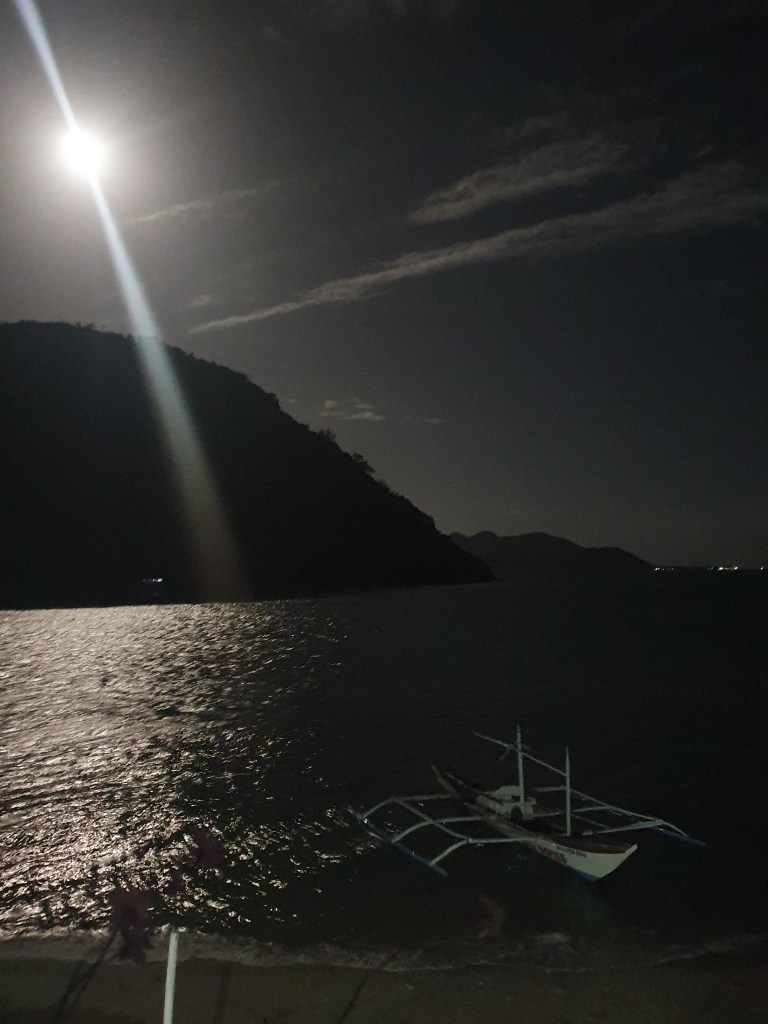
Ok enough blab for now! Over and out🙂
 Liz Drury O'Neill
Leave a comment